Cardiac emergencies can occur in ordinary situations, whether someone is exercising at a local gym, working in an office, or spending time with family at home. Immediate assistance can significantly increase the likelihood of survival for an individual who undergoes sudden cardiac arrest. Cardiopulmonary resuscitation (CPR) is a valuable lifesaving skill that allows ordinary people to provide essential support before professional medical assistance arrives. For Canberra residents, learning CPR is a practical way to become better prepared for emergencies while contributing to a safer community.
An unexpected cessation of blood circulation to the brain and other critical organs, known as sudden cardiac arrest, is the result of the heart’s inability to effectively pump blood. Without immediate intervention, serious damage can occur within minutes. CPR helps maintain some blood circulation through chest compressions until emergency responders arrive or an automated external defibrillator (AED) can be used.
Participating in Canberra first aid education provides individuals with practical knowledge about recognising emergencies and responding appropriately. Although emergency services play a critical role in saving lives, the actions of nearby individuals can be equally important during the first few minutes.
Learning CPR also helps people overcome hesitation. Instead of feeling helpless when someone collapses, trained individuals can recognise warning signs, contact emergency services, and begin providing assistance.
What You Can Learn Through CPR Training
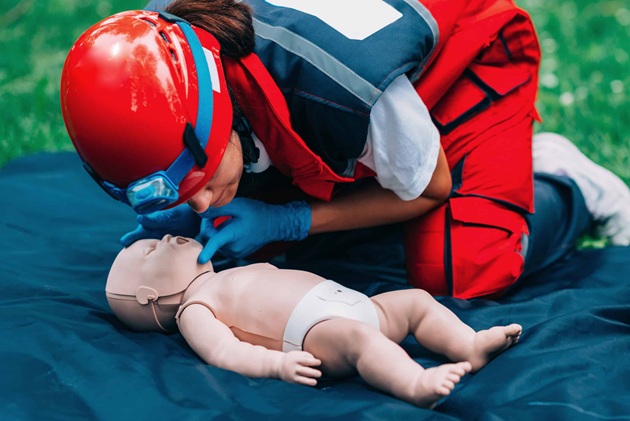
A structured CPR training Canberra course introduces participants to essential emergency response techniques through practical instruction and supervised exercises. These programs generally combine theoretical knowledge with demonstrations and hands-on practice.
Participants learn how to recognise an unresponsive person who is not breathing normally, assess immediate dangers, and contact emergency services. They also practice performing chest compressions at the recommended depth and rate while understanding when rescue breaths may be appropriate.
Another important component involves learning how to use an AED. These devices are increasingly available in workplaces, shopping centres, recreational facilities, and other public locations. An AED analyses heart rhythm and provides instructions that guide users through the defibrillation process when a shock is necessary.
Practical exercises allow participants to develop familiarity with these techniques, making it easier to respond under pressure.
The Benefits of Learning CPR for Canberra Residents
CPR knowledge offers benefits that extend beyond emergency situations. One of the most valuable advantages is increased confidence when facing unexpected medical incidents. People who understand basic emergency procedures are often better prepared to take immediate action.
For parents and caregivers, CPR education provides important skills for responding to emergencies involving children and infants. Since CPR techniques vary depending on age, appropriate training helps individuals understand how to provide assistance safely.
Employees also benefit from CPR education because medical emergencies can occur in almost any workplace. Having trained personnel available can strengthen workplace emergency preparedness and support existing safety procedures.
Community participation creates another advantage. When more residents understand CPR, there is a greater possibility that someone nearby can provide assistance during a cardiac emergency.
Choosing a Suitable CPR Training Provider
Selecting a reputable training provider is an important part of developing reliable emergency response skills. Canberra residents should consider course content, practical learning opportunities, instructor qualifications, and whether the certification meets their personal or professional requirements.
Training providers such as Express First Aid can be considered when exploring CPR education options. Before enrolling, participants should confirm the course location, schedule, accreditation details, and whether the program includes practical assessment.
Flexible training arrangements can be particularly helpful for working professionals, students, and individuals managing family responsibilities. However, convenience should never replace the importance of developing practical skills through appropriate instruction.
A suitable course should provide enough opportunities to practice CPR techniques and receive feedback from qualified instructors.
Why CPR Knowledge Needs Regular Refreshing
Completing CPR training is an important achievement, but maintaining these skills requires continued attention. Emergency response recommendations can change as medical research develops, making refresher education valuable.
Regular practice helps individuals remember the correct sequence of emergency procedures and maintain confidence in performing chest compressions. It also reinforces knowledge about AED operation and responding to different emergency scenarios.
In Australia, annual CPR refresher training is commonly recommended, although specific workplace or industry requirements may vary.
Building a Community That Is Ready to Respond
A community becomes more resilient when residents possess the knowledge and confidence to assist others during emergencies. CPR education encourages personal responsibility, strengthens public awareness, and promotes faster responses when every second matters.
Canberra residents do not need medical backgrounds to learn these essential techniques. With appropriate instruction and practical experience, people from different professions and age groups can develop valuable lifesaving abilities.
Conclusion
Learning CPR is a meaningful investment in personal preparedness and community safety. From recognising cardiac arrest to performing chest compressions and using an AED, these skills can help bridge the critical gap before professional medical assistance arrives. By participating in CPR education and keeping their knowledge current, Canberra residents can become more confident, capable, and prepared to make a difference when someone needs immediate help.