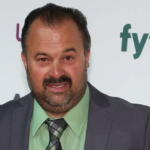
Wendy Williams has been one of the most recognizable television personalities in American entertainment for decades. Famous for her candid persona, iconic interviews, and a lucrative daytime talk show that spawned a devoted nationwide audience, both for her work and real life. But in recent years, public interest has shifted from her broadcasting triumphs to concerns about her health.
Searches for Wendy Williams dementia continue the trend in 2026. It is always prudent to trust publicly confirmed declarations over speculation since health-related stories frequently attract misinformation online. In this article, I will provide you with the details of what has been confirmed, how her diagnosis became public, its effect on her career, and why responsible reporting matters for serious medical conditions. So, keep reading.
Who Is Wendy Williams?
Wendy Williams is an American broadcaster, television host, author, and media personality. She came to prominence through her nationally syndicated radio show before demonstrating international recognition as the host of The Wendy Williams Show. The Braverman attitude she brought into her interviewing style, along with commentary on celebs and much more of her charming personality, made her one of the most successful daytime talk show hosts of all time.
Away from the small screen, Wendy Williams has authored books, featured in documentaries, and worked on many entertainment projects. She has appeared in everything from advertising to music, making her one of the best-known personalities wherever you look. Public interest in her life and health has remained higher than most, even after she left the daily television grind.
Career Highlights
Wendy Williams originally came to prominence as a radio host before making her way into national television. The daytime talk show brought in millions of viewers for over a decade. Her unique way of presenting inspired a playground for contemporary entertainment television. Her work in broadcasting secured her acclaim across the wider media industry.
Influence on Entertainment Media
Wendy Williams gained a reputation for talking about celebrity gossip in a soap-opera style that attracted die-hard audiences. For decades, her television show set the standard for daytime entertainment programming. That raised a few eyebrows, and after that, many presenters followed up with similar discussion formats. Her legacy continues to impact American television history.
Why Is Wendy Williams’ Health Receiving Public Attention?
Public concern about Wendy Williams’s health has grown significantly over many years, primarily due to her public appearances and professional calendar. After she announced her health and absence from television, fans wanted to know more. Her disease was reported in the media, which also raised public awareness.
As expected, anything related to the health of a prominent Figure garners massive amounts of attention. That said, please keep the discussion to what is officially confirmed. This method is particularly important when talking about neurological disorders.
Growing Public Interest
Wendy Williams had millions of viewers who tracked her every move on TV. Of course, not all of us stopped looking for updates once her public appearances were less frequent. The global rise in online search was associated with news reports. Discussions on social media also increased public interest. Her enduring appeal naturally keeps the interest high.
Importance of Accurate Health Information
Medical information should always be derived from reliable sources. On social media, rumors can easily spread without any evidence. When reports are accurate, readers can easily separate fact from speculation. When journalism is done responsibly, you build trust and credibility. Especially when talking about neurological disorders.
Official Health Announcement
All the public information about Wendy Williams’ dementia comes from official messages by her caretaking team and representatives. Following a series of medical evaluations, it was revealed publicly in 2024 that she had been diagnosed with primary progressive aphasia (PPA) and frontotemporal dementia (FTD). The announcements were somewhat predictable after years of public speculation over her health.
Official statements said the diagnosis had provided clarity on many of the symptoms, which had become more apparent in recent months. Doctors performed rigorous examinations before diagnosing her. The same disclosure was intended not only to reduce speculation but also to heighten awareness of neurological conditions that remain unfamiliar to the general public.
What Has Been Publicly Confirmed?
Wendy Williams had officially been diagnosed with frontotemporal dementia and primary progressive aphasia, as we confirmed earlier today. Its announcement came after medical specialists had conducted tests on her. Public discourse centers on validated medical evidence rather than conjecture. Confirmation clarified previous health concerns. These official updates are still relied on in reliable reporting.
Statements From Wendy Williams and Her Representatives
A rep has released public statements about how sick Wendy Williams is and her ongoing need for medical care. They have also asked for privacy but will share information as necessary, along with family members and the health care representative. Verified announcements also serve to further public understanding. Protection of personal privacy remains a key concern.
Understanding Frontotemporal Dementia (FTD)
Frontotemporal dementia, commonly known as FTD, refers to a range of brain disorders that primarily affect the frontal and temporal lobes. These locations are involved in manners, character, speech & communication, and decisions. Frontotemporal degeneration, or FTD, differs from Alzheimer’s because it often begins in young adulthood and tends to present with changes in behavior or language before memory.
Medical professionals state that the significant aspect of FTD is that it does not receive widespread recognition: every person suffers differently. The symptoms and course vary with the areas of the brain involved. Diagnosing these conditions early in life ensures that patients and their families can secure medical counseling and supportive care and plan for future contingencies related to healthcare needs.
What Is Frontotemporal Dementia?
Frontotemporal dementia is a neurodegenerative disease that affects the frontal and temporal lobes of the brain. However, several characteristics set it apart from the most common forms of dementia. Symptoms may develop slowly and vary over time. Diagnosis requires medical assessment. An early specialist assessment facilitates suitable care planning.
Common Symptoms of FTD
Depending on the areas of the brain that are damaged, symptoms can include personality changes, difficulty talking or understanding speech, language impairment, or differences in behavior. Individuals may experience symptoms differently. Progression varies between patients. Medical practitioners consider several factors before arriving at a diagnosis. Ongoing medical guidance is still necessary during your treatment and afterward.
How Wendy Williams’ Diagnosis Became Public
For years, the topic of Wendy Williams’ health was a slow-moving topic in public, as one could see she looked different on her TV appearances and took long breaks from the air. Reports of this nature began to resurface across the World Wide before an official response. This insecurity only fuelled rising public interest and the general speculation.
Things got a lot clearer when her official representatives came out publicly about the diagnosis. Their announcement was welcome, as it replaced speculation with the kind of verifiable medical data needed. It also raised more awareness of frontotemporal dementia and primary progressive aphasia – things that very few people had heard of before.
Timeline of Public Updates
There had been growing interest, over the years, in Wendy Williams’ health. This led to some initial questions among viewers over changes to the television schedule. As time passed, the public appearances became infrequent. Official statements later explained the medical condition. Much of that earlier speculation was supplanted by confirmed updates.
Media Coverage and Public Response
Wendy Williams is quite a Figure in the public spotlight, and news organizations covered her health announcement extensively. When fans heard about her diagnosis, many extended compassion and support. Medical professionals also took the opportunity to inform audiences about frontotemporal dementia. Public awareness first grew considerably after the official confirmation. Good reporting fostered realistic conversations, not gossip.
How Health Updates Affected Her Career
The health issues that followed for Wendy Williams ultimately impacted her capacity to continue hosting the longstanding daytime television series. With the growing concern about medicine, it also became harder to continue professionally. These events led to several big shifts in your career.
Though she has removed herself from television daily, Wendy Williams is still entrenched in the world of entertainment. Welcome to all who read this, especially the trendsetters of today’s broadcasting, celebrity interviewees, and conventional daytime talk programming. No matter what may occur or what her state of health is, many colleagues see her achievements as lasting forever.
Television Career Changes
Over the years, Wendy Williams’ health problems disrupted her broadcast schedule. While she was absent, guest hosts filled in from time to time. The production changes reflected persistent challenges with the medical department. Eventually, her daytime television show came to an end. Her broadcasting legacy will continue to be revered.
Public Appearances and Interviews
There were fewer public appearances; health concerns grew. To be sure, interviews were also capped more than in years past. Fans reacted with support to those changes. Official appearances remained carefully managed. However, throughout 2026, this remained of public interest.
Support From the Fans and from Fellow Celebrities
After news broke in a statement on Wednesday about Wendy Williams’ diagnosis, an outpouring of well wishes was sent her way on both TV and social media by the thousands from fans, co-stars, fellow anchors, movie stars, and musicians. Praise poured in for her decades of contributions to entertainment, with many also hoping she would receive treatment and privacy.
Of course, the response was palpable, highlighting her enduring impact on pop culture. The public interest led to wider conversations about understanding dementia and better treatment of the people who live with neurological disorders, too.
Messages From Fans
After Wendy Williams’ diagnosis news went public, fans sent out tons of supportive messages around the world. There were plenty who expressed their gratitude for her decades of entertainment value and great television memories. Social media platforms are saturated with inspirational messages and acknowledgments. Others urged for civil discourse based on known facts rather than rumors.
Support From the Entertainment Industry
Several celebrities and media personalities took to social media to pay tribute to Wendy Williams. Other broadcasters remembered her impact on daytime TV and celebrity interviews. The support represented the respect she had garnered for her long career as a broadcaster. And it reminded the people not only of her legacy within the entertainment industry.
How Families Cope With Frontotemporal Dementia
A diagnosis of frontotemporal dementia does not just impact the individual but also the family, caregivers, and intimates. As time passes, families can encounter emotional, practical, and medical issues associated with adjusting to change. Throughout this process, professional healthcare guidance plays a significant role.
While neurologists, speech-language pathologists, and specialists often recommend a collaborative team of caring professionals and caregivers to support you. Educational material discussing the condition and locally available support services is also helpful for families.
Importance of Medical Care
Routine doctor visits track symptoms and allow for care to evolve as needs change. Specialists assess communication, cognition, and daily living skills over time. Coordinated medical care also strengthens family networks, provides practical suggestions, and ensures continuity of care. Ongoing follow-up is still an important consideration in long-term care.
Emotional and Family Support
Family support plays an important role throughout the course of frontotemporal dementia. Talking about it helps family members adjust to the new situation with more confidence.
Whether you are at this stage of caregiving or still approaching it, remember that patience and understanding serve to fortify family relationships. Overcoming all such complications may help in providing emotional support to the patient as a caregiver as well.
Why Accurate Reporting Matters
Health-related reporting requires exceptional care because inaccurate information can easily create confusion or unnecessary concern. For those in the public eye, this subject often draws voyeuristic interest, especially when health is concerned. Therefore, the basis of responsible journalism is verified news from official sources rather than assumptions or social media rumors.
At the other end of the communication chain, readers also play a critical role: they seek information only from bona fide news organizations and spread unproven stories. Good journalism not only upholds the general public’s right to accurate information about rape and sexual violence; it is also important for individual dignity.
Facts vs. Online Rumors
Internet rumors travel much faster than verified information does. Some posts on social media present an assumption as fact but fail to provide evidence for it. Trusted journalism uses accepted methods of verification before releasing its health-related news. Long-term public trust will be built on responsible reporting.
Respecting Medical Privacy
Even well-known public figures deserve respect regarding personal medical matters. Official sources should always be the first to receive information, if possible. Good reporting respects the public interest as well as personal dignity and privacy. Kindness should never be absent from discussions of serious medical situations.
Current Public Status in 2026
The best information about Wendy Williams’s health has been filtered through official statements, legal actions, and verified updates from authorized representatives since 2026. Nothing should be replaced by internet speculation or hand-wringing observation on social media because that is not a credible source of data.
Public interest remains high, as Wendy Williams remains an entertainment staple in America. Fans continue to hope for positive updates while recognizing that medical information should come only from trusted, authorized sources.
Verified Information Available
Beyond that, the only confirmed information will be what is publicly disclosed through official announcements or media releases. These are sources that responsible news organizations rely on when reporting new developments. For reporting, official communications remain the strongest basis.
Public Interest Continues
Searches related to Wendy Williams remain consistently popular across search engines and social media. She has enjoyed a professional television career for decades that continues to appeal to her older fan base as well as many younger viewers. Her legacy continues to spark global interest. Conversations around her legacy and health persist.
Leveraging Our Knowledge of Dementia & Brain Health
In a public conversation on Wendy Williams, there is a greater awareness of dementia and brain health. The necessity for prompt medical assessment has prompted more people to gain the knowledge they need. Being aware of the red flags can help families spot symptoms earlier and seek professional guidance when they become concerned.
Dementia is not a normal part of aging, medical organizations emphasize. Because dementia comes in many different forms, they all target individuals differently, and so an accurate diagnosis is particularly critical. Another benefit of public education is that it helps to reduce stigma and enhance understanding in communities.
When to Seek Medical Advice
Those experiencing persistent changes in language, behavior, memory, or thinking should consult certified well-being experts for evaluation. It may flag up medical conditions that need addressing sooner, he explains. Prompt evaluation enhances the potential for supportive therapy and continuous care. Each person is unique and requires a tailored medical evaluation.
Supporting Dementia Research
The condition remains an active subject of research as professors and scholars explore how to diagnose it more effectively, treat it, and ultimately improve patients’ quality of life. Future enhanced therapies are possibly derived from scientific advances. Research is an integral part of the endeavor to optimize chronic care globally. However, Ongoing innovation offers hope for future generations.
FINAL Lesson for Readers From Wendy Williams
Wendy Williams’ public journey reminds readers that serious medical conditions can affect anyone regardless of career success or public recognition. Her story raised awareness of neurological health, empathetic caregiving, and the need to verify medical claims against physician data.
Respectful reporting, family and medical support help create a better informed and compassionate public dialogue. These lessons are broader than one person and resonate with families struggling through the same challenges.
Value of Compassion
Respectful discussions about serious illnesses are made better by compassion. The more the speculation is replaced with empathy, the richer our public conversations become. Respect is a skill that is integral to curing dialogue within everything Heath-oriented. Compassion benefits everyone involved.
Importance of Public Awareness
Increased public awareness decreases the stigma and misconceptions about neurological disorders. Educational Talkin Recommends Early Drawing Ovulation Or Medical Care Making Decisions With More Information. Awareness contributes to acceptance and decreases stigma in society. Community education builds public health provisions in the long run. Knowledge breeds empathy and dignity in expression.
Wrapping Up
The interest in Wendy Williams’s dementia continues because people who have benefited from her work in broadcasting still care enough to want to know she is okay. Her most recently confirmed public diagnosis of frontotemporal dementia (FTD) and primary progressive aphasia (PPA) is the basis of true reporting as of 2026. This allows for the avoidance of conjecture, the provision of accurate information, and the keeping of readers updated without compromising medical secrecy or personal respect.
Frequently Asked Questions
Has Wendy Williams been diagnosed with dementia?
Yes. Official representatives publicly confirmed that she was diagnosed with frontotemporal dementia (FTD) and primary progressive aphasia (PPA).
What type of dementia does Wendy Williams have?
According to official statements, she has frontotemporal dementia, commonly known as FTD.
What is primary progressive aphasia?
Primary progressive aphasia is a neurological condition that mainly affects language and communication abilities over time.
Why is Wendy Williams’ health receiving so much attention?
Her long television career and official health announcement have generated significant public interest worldwide.
Is frontotemporal dementia the same as Alzheimer’s disease?
No. FTD affects different brain regions and often presents with different symptoms than Alzheimer’s disease.
Where should readers find accurate updates about Wendy Williams?
Official representatives and reputable news organizations remain the most reliable sources for verified information.
Can frontotemporal dementia be cured?
There is currently no cure, but medical care and supportive therapies may help manage symptoms and improve quality of life.
Why is it important to avoid health-related rumors?
Rumors can spread misinformation, while verified medical information supports accurate understanding and respectful discussion.