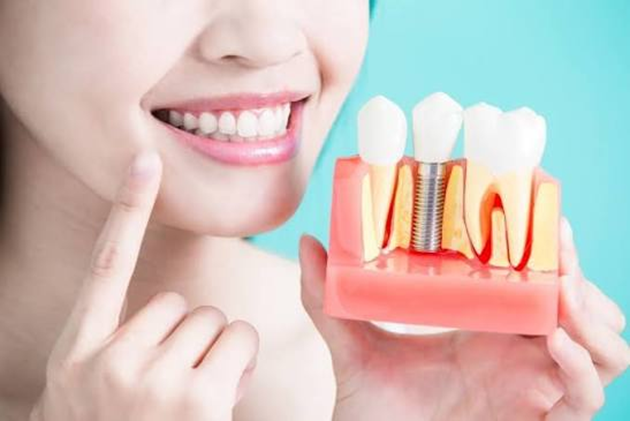
A missing tooth at the back of your mouth rarely appears in photographs. You still notice it when bread catches in the gap or you move food to the other side before chewing. Losing several teeth brings more decisions into an ordinary meal: what to order, what to avoid, and how long eating will take.
These experiences belong in a conversation about tooth replacement. The premier center for oral, dental implant & facial surgery site addresses both the appearance of replacement teeth and their function during biting and chewing. The appearance of new teeth matters, but so does using them comfortably and keeping them clean years after treatment.
Start With What Happens at Mealtimes
Before a dental consultation, notice which foods give you trouble and what you do to manage them. Do you cut everything into small pieces? Avoid firmer vegetables? Worry about a removable denture shifting while eating? Describe those details rather than simply saying you want better teeth.
Dental implants act as artificial roots anchored in the jawbone, holding replacement teeth in place. For someone considering an implant, the discussion should cover the expected chewing function, the condition of surrounding teeth, and the care required afterward. The clinician needs to assess your mouth before recommending treatment; a photograph of an attractive result tells you little about its suitability for you.
One Missing Tooth Requires a Different Discussion Than a Full Arch
Replacing a single tooth and replacing an entire upper or lower arch involve different planning. Ask which teeth remain healthy, what is worth preserving, and why a particular restoration is recommended. The explanation should relate directly to the examination findings.
An individual implant crown replaces one tooth, while a fixed full-arch restoration attaches a complete row of replacement teeth to strategically positioned implants. Removable dentures and bridges also belong in the discussion where appropriate. Ask how each option fits your oral health, budget, and ability to manage daily cleaning. A fixed restoration stays in place during everyday use, but it still requires maintenance and professional reviews.
Leave Room for Healing in Your Expectations
The day an implant is placed is not necessarily the day treatment finishes. Bone heals around the implant over time, and the permanent restoration follows the schedule established for your case. Some patients receive temporary teeth during this period.
Ask what you will eat while healing, how temporary teeth differ from the final restoration, and when the clinician will review progress. Written instructions are useful once you are home and trying to remember the conversation. Clarify any restrictions before arranging work, travel, or social plans around surgery.
Fun fact: The process in which bone grows around an implant and holds it in place is called osseointegration. Much of what secures the replacement happens beneath the gum, out of sight.
Know How You Will Clean Your New Teeth
Ask for a cleaning demonstration before committing to a restoration. Seeing where a brush or cleaning aid needs to reach makes the daily routine easier to picture than hearing that maintenance is straightforward.
Implants require conscientious home care and regular dental visits. The surrounding gums still need attention, even though the replacement tooth itself is artificial. Discuss which tools suit the restoration and have the dental team check your technique. If limited hand movement makes cleaning difficult, say so during planning. The daily routine needs to be manageable for the person carrying it out.
Describe Comfort in Your Own Terms
Comfort is personal and often quite specific. You might want to finish lunch without stopping to adjust a denture, speak during meetings without worrying about movement, or stop covering your mouth when laughing. The emphasis on stability during eating and speaking at http://www.temeculaoralsurgery.com/ reflects these everyday priorities. Tell the clinician which experience you most want to change.
Ask what requires an adjustment appointment and whom to contact if the bite feels uneven or the restoration becomes uncomfortable. Do not assume that every difficulty belongs to an unavoidable settling-in period. An explanation of what to expect should also tell you when to call.
Ask About the Years After Treatment
Before agreeing to treatment, establish who will provide ongoing care and what review appointments involve. Request an itemized estimate and ask about future repair or replacement costs.
Take the proposed plan home and read it alongside your original concerns. If the consultation began because eating dinner had become frustrating, the plan should explain what treatment is expected to change about that experience—and what work remains yours after the final teeth are fitted.