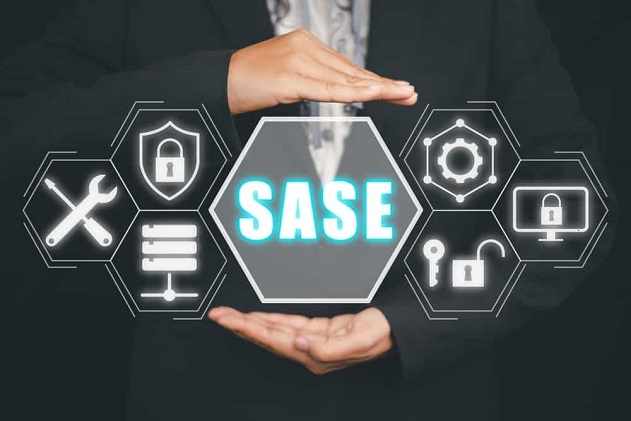
Keeping your business secure isn’t as simple as it used to be. With employees working remotely, businesses relying on cloud-based tools, and cyber threats becoming increasingly sophisticated, traditional security measures aren’t always enough to keep everything protected. You need a way to keep your systems secure without making it harder for your team to do their jobs. That’s where Secure Access Service Edge (SASE) comes in, offering a more flexible and streamlined approach to cybersecurity that reflects how modern businesses operate.
What Is SASE?
SASE, pronounced “sassy,” stands for Secure Access Service Edge. It’s a modern approach to cybersecurity that brings networking and security services together into one cloud-based framework. Rather than relying on separate tools to manage network access, protect sensitive information, and prevent cyberattacks, SASE combines these capabilities to help businesses manage their security more efficiently.
The main idea behind SASE is that your security shouldn’t depend entirely on employees being connected to a traditional office network. Instead, it helps provide secure access to business applications and resources wherever your team is based.
Why Is SASE So Important?
The way businesses run has changed dramatically, with remote working, cloud-based applications, and flexible working arrangements common. While these developments have made it easier for businesses to collaborate and grow, they’ve also introduced additional security challenges that traditional network security systems aren’t set up for.
Every time an employee accesses company information from a different device or location, there are risks to consider. SASE addresses these challenges by applying consistent security policies across your business, regardless of where employees are connecting from. This gives you greater flexibility while maintaining control over who can access sensitive information.
What Are The Main Benefits Of SASE?
One of the biggest plus points of SASE is that it can simplify the way you manage cybersecurity. Instead of juggling multiple security products and providers, you can bring essential networking and security capabilities together within a more unified framework. This can make it easier to monitor activity, identify potential threats, and maintain consistent security standards throughout your organization.
Investing in a comprehensive SASE platform can also help your business improve secure connectivity and support employees working across different locations. As your company grows, you can adapt your security arrangements to accommodate new employees, offices, and cloud applications without having to completely rethink your existing infrastructure.
Another important benefit is improved access control. SASE solutions incorporate zero trust principles, which means users and devices must be appropriately verified before being granted access to business resources. This can help reduce the risk of unauthorized access and give additional protection for sensitive company information.
Is SASE Suitable For Smaller Businesses?
You might assume that advanced cybersecurity solutions are primarily designed for large corporations, but smaller businesses often face similar security challenges. If your company depends on cloud applications, handles customer information, or allows employees to work remotely, SASE could be worth considering.
Smaller businesses can also benefit from the reduced complexity that comes with bringing networking and security capabilities together. Rather than needing a large internal IT department to oversee several different systems, you may be able to work with a managed provider.
Is It Time To Think About SASE?
As your business becomes increasingly reliant on digital tools and flexible working arrangements, it’s important to regularly check whether your existing cybersecurity measures still meet your needs. SASE isn’t a replacement for every aspect of cybersecurity, but it can give you a stronger foundation for managing secure access, protecting information, and supporting employees wherever they work.