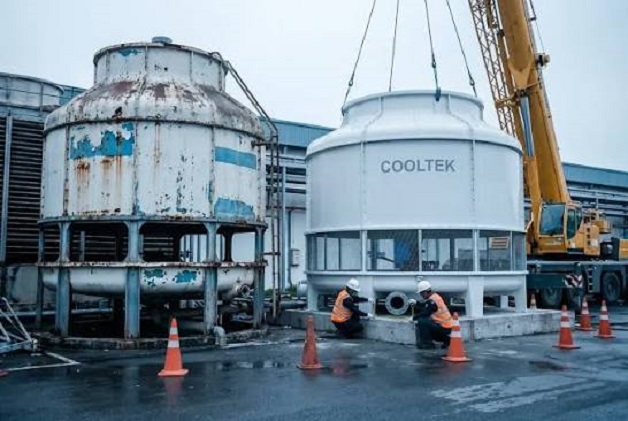
Replacing an old chiller involves more than scheduling a delivery and disconnecting the existing equipment. The building still needs cooling while contractors remove machinery, modify connections, and test the replacement. In a production facility, even a short interruption affects work that depends on controlled temperatures.
The practical question is what will handle that cooling load during the changeover. Planning the rental early gives the facility team time to coordinate the replacement work as aerco systems arranges the temporary chiller installation. Both schedules need to account for the connections and testing required before the old equipment is disconnected.
Start by identifying which areas and processes need cooling throughout the project. An office with reduced weekend occupancy has different requirements from equipment operating around the clock. Some activities tolerate a scheduled pause; others need cooling maintained within specific temperature limits.
Ask operations staff to describe those limits and the consequences of losing cooling. That discussion establishes priorities before anyone selects temporary equipment.
Gather recent operating records where available. Actual demand, required water temperatures, and flow requirements give the project team a firmer starting point than the old unit’s nameplate alone.
Schedule the Connections, Not Just the Delivery
A rental chiller arriving on time doesn’t guarantee that the site is ready to use it. The installation team needs agreed connection points, suitable electrical service, and space for the equipment.
Have the contractor and rental provider review the site together. Confirm who supplies hoses, pumps, and electrical cables, and who completes each connection. Temporary equipment sometimes requires a different power arrangement from the unit being replaced.
Identify any interruption needed to connect the rental system. Put that window into the operating schedule and tell affected staff what will stop, for how long, and who authorizes restarting. “Temporary cooling available” should refer to equipment that is connected and checked, rather than parked outside.
Match the Rental to the Job
The temporary chiller needs to meet the cooling demand under the conditions expected during the rental period. Selecting it solely by matching the old unit’s rated capacity overlooks changes in building use or production.
Share the required temperatures and operating hours with the rental provider. Discuss fluid requirements and whether existing pumps are suitable. The engineering team should verify compatibility with the system being served.
For an outdoor air-cooled unit, placement also affects operation. Provide adequate airflow and service access, following the equipment requirements. Delivery access deserves a separate check: a suitable operating position is little use if the truck cannot reach it.
Fun fact: A “ton” of cooling describes capacity, not equipment weight. One refrigeration ton equals 12,000 British thermal units per hour, so a chiller’s tonnage tells you its rated heat-removal capacity rather than what the delivery vehicle has to carry.
Give the Temporary System an Owner
Once the rental system is running, someone needs responsibility for checking it. Agree on the readings to record, who reviews alarms, and whom staff should contact outside normal working hours.
Make those arrangements specific. A contact number buried in an email is difficult to find during a night shift. Keep operating instructions and escalation details where the responsible staff will use them.
Maintain clear access around the temporary installation throughout the project. Contractors working on the permanent replacement should know which hoses and cables remain in service and which routes must stay open.
Leave Time to Prove the New System
Installation completion and readiness for normal operation are separate milestones. The new equipment needs commissioning, with checks appropriate to its design and the connected system.
Ask the project team to define acceptance requirements before the changeover. Those requirements should address temperature control and operation under the loads the facility expects to place on it.
Avoid arranging rental collection around an optimistic installation finish date. Confirm the extension terms in advance, then release the temporary equipment after the responsible team accepts the permanent system. A delayed test is easier to manage while cooling remains available.
Close the Project With a Usable Handover
Before contractors leave, collect the commissioning records and updated operating instructions. Confirm that the maintenance team knows the new controls and the location of isolation points.
Record the temporary connection arrangement as well. Photos, connection sizes, and notes about equipment placement preserve information that would otherwise disappear with the rental unit. The next time cooling equipment needs attention, the team will have a documented starting point instead of another site survey built around guesswork.