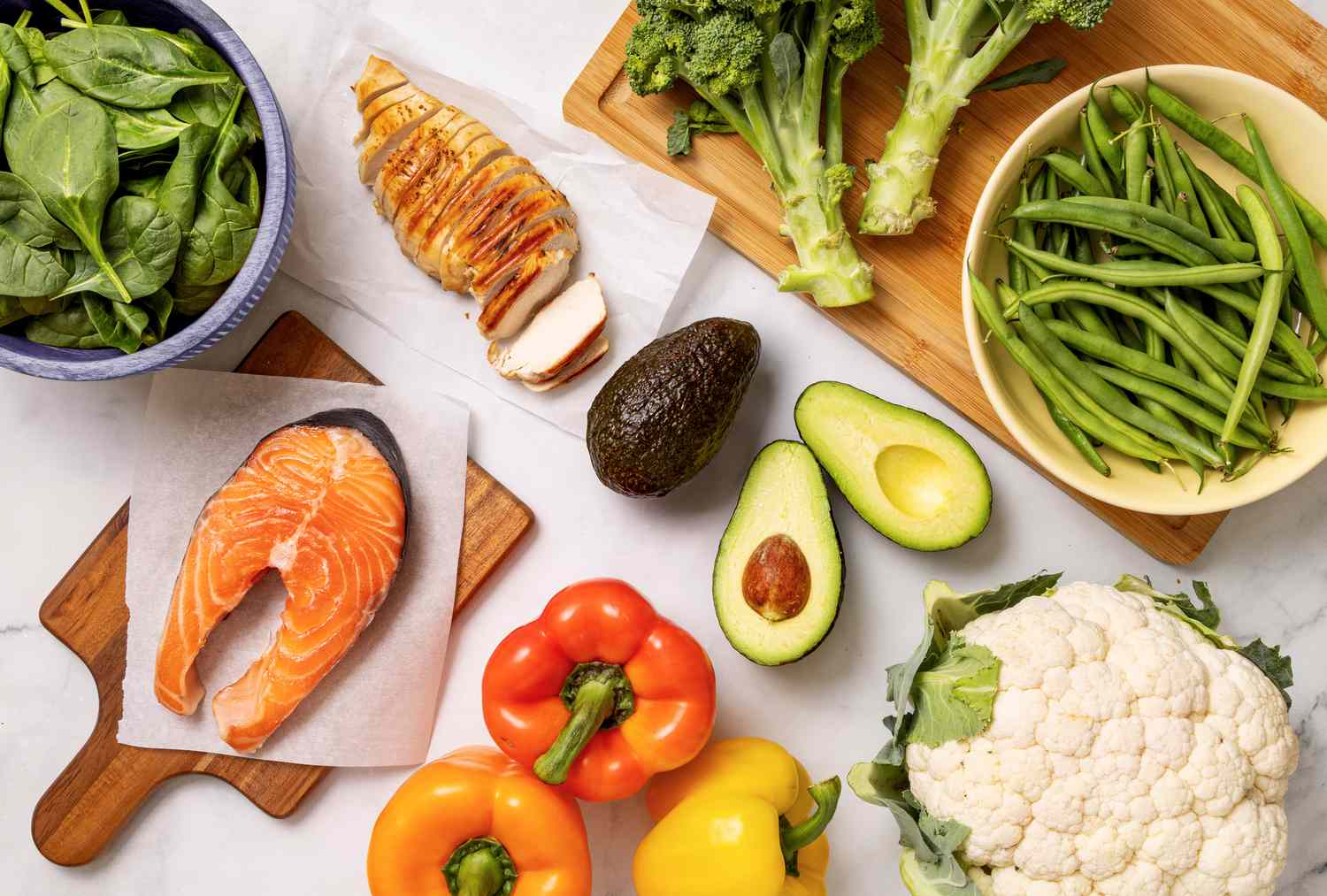
The ketogenic (keto) diet has become one of the most popular low-carbohydrate eating plans worldwide. Unlike traditional diets that focus only on reducing calories, the keto diet changes the body’s primary energy source. Instead of relying on carbohydrates, the body enters a metabolic state known as ketosis, where it burns fat for fuel. This approach has attracted millions of people seeking weight loss, improved energy, better blood sugar management, and enhanced mental focus.
However, the success of the keto diet depends largely on choosing the right foods. Many beginners believe that eating any high-fat food is acceptable, but a healthy ketogenic diet requires nutrient-rich ingredients, balanced meals, and careful planning.
Understanding the Keto Diet
The ketogenic diet is a nutritional strategy that significantly reduces carbohydrate intake while increasing healthy fat consumption. Typically, carbohydrates are limited to around 20–50 grams per day, allowing the body to shift away from glucose metabolism. Protein intake remains moderate because consuming excessive protein may reduce ketosis in some individuals.
If you’re looking for delicious food ideas beyond your keto journey, be sure to visit McDo Menu Prices. The website features a wide variety of popular menu items, updated prices, and helpful food guides, making it a great resource for discovering tasty meal options and planning your next dining experience.
This eating pattern encourages the liver to produce ketones from stored fat. These ketones become the body’s primary fuel source, replacing glucose. As a result, many people experience improved fat burning and reduced hunger.
How Ketosis Works
Ketosis is a natural metabolic state that occurs when carbohydrate intake becomes very low. Normally, carbohydrates are broken down into glucose, which provides quick energy. When glucose availability decreases, the body begins using stored fat as its primary fuel source.
The liver converts fat into ketone bodies, which supply energy to the brain, muscles, and other organs. Entering ketosis generally takes several days, depending on carbohydrate intake, activity level, and individual metabolism.
During the initial transition, some individuals experience temporary symptoms known as the “keto flu,” including headaches, fatigue, dizziness, and muscle cramps. These symptoms usually improve after maintaining proper hydration and electrolyte balance.
Best Keto Diet Foods
Choosing nutrient-dense foods is the foundation of a successful ketogenic lifestyle.
Healthy Keto Foods Table
| Food Category | Best Choices |
|---|---|
| Meat | Beef, chicken, turkey, lamb |
| Fish | Salmon, tuna, sardines, mackerel |
| Eggs | Whole eggs |
| Dairy | Cheese, butter, heavy cream |
| Healthy Oils | Olive oil, avocado oil, coconut oil |
| Vegetables | Spinach, broccoli, cauliflower, zucchini |
| Nuts | Almonds, walnuts, pecans |
| Seeds | Chia seeds, flaxseeds, pumpkin seeds |
| Fruits | Avocado, olives |
| Drinks | Water, black coffee, unsweetened tea |
These foods provide essential vitamins, minerals, healthy fats, and protein while keeping carbohydrate intake low. Fresh, minimally processed ingredients are generally the healthiest choice.
Rotating different protein sources and vegetables helps improve nutrient intake and prevents dietary boredom. Including colorful vegetables also supplies antioxidants and fiber that support digestive and overall health.
Foods to Avoid on Keto
Avoiding high-carbohydrate foods is necessary to maintain ketosis.
Foods to Limit or Avoid
| Food | Reason |
|---|---|
| Bread | High in carbohydrates |
| Rice | Raises blood sugar |
| Pasta | Rich in starch |
| Potatoes | High carbohydrate content |
| Sugary Drinks | Excess sugar |
| Candy | High sugar |
| Cakes | Refined flour and sugar |
| Cookies | Processed carbohydrates |
| Sweet Fruits | Too much natural sugar |
| Beer | High carbohydrate content |
Reading nutrition labels carefully is essential because many packaged foods contain hidden sugars and starches. Sauces, flavored yogurt, breakfast cereals, and processed snacks often contain more carbohydrates than expected.
Replacing these foods with keto-friendly alternatives helps maintain ketosis while supporting healthier eating habits.
Health Benefits of Keto Foods
Many individuals adopt the ketogenic diet because of its potential health benefits.
One of the most recognized advantages is weight management. Since fat and protein increase satiety, many people naturally consume fewer calories without feeling deprived. For those who need additional support with their weight loss goals, https://trimrx.com/ offers a supervised program that includes GLP-1 medication when appropriate, alongside guidance tailored to individual needs.
The keto diet may also improve blood sugar regulation by reducing carbohydrate intake. Some individuals with insulin resistance experience better glucose control under medical supervision.
Healthy keto foods can contribute to improved energy stability because ketones provide a consistent fuel source. Some people also notice improved mental clarity and reduced afternoon energy crashes.
Keto-Friendly Snacks and Drinks
Healthy snacks help maintain energy between meals.
Popular keto snacks include boiled eggs, cheese sticks, mixed nuts, olives, cucumber slices, celery with cream cheese, beef jerky without added sugar, and avocado.
Hydration is equally important. Water should remain the primary beverage. Unsweetened tea, black coffee, sparkling water, and electrolyte drinks without added sugar are excellent options.
Keto Snack Ideas
| Snack | Benefits |
|---|---|
| Boiled Eggs | High protein |
| Cheese | Healthy fat |
| Almonds | Fiber and healthy fats |
| Olives | Low carb |
| Avocado | Potassium and healthy fat |
| Celery & Cream Cheese | Crunchy and filling |
Choosing minimally processed snacks supports better nutrition and appetite control.
Long-Term Success Tips
Long-term success depends on consistency rather than perfection.
Setting realistic goals, preparing meals ahead of time, and tracking carbohydrate intake help maintain ketosis. Learning new keto recipes keeps meals enjoyable and prevents boredom.
Physical activity complements the ketogenic lifestyle by supporting cardiovascular health, muscle maintenance, and overall well-being.
Getting enough sleep and managing stress are equally important because both influence appetite regulation and food choices.
Finally, remember that keto is not a one-size-fits-all solution. Some individuals thrive on strict ketogenic diets, while others prefer a moderate low-carbohydrate approach. Listening to your body and making gradual adjustments can improve sustainability over time.
Final Thoughts
The ketogenic diet is more than simply eating high-fat foods. It is a structured nutritional approach that emphasizes low carbohydrate intake, moderate protein consumption, and healthy fats while encouraging whole, minimally processed foods. Choosing nutrient-dense ingredients, planning balanced meals, staying hydrated, and maintaining realistic expectations can contribute to long-term success.