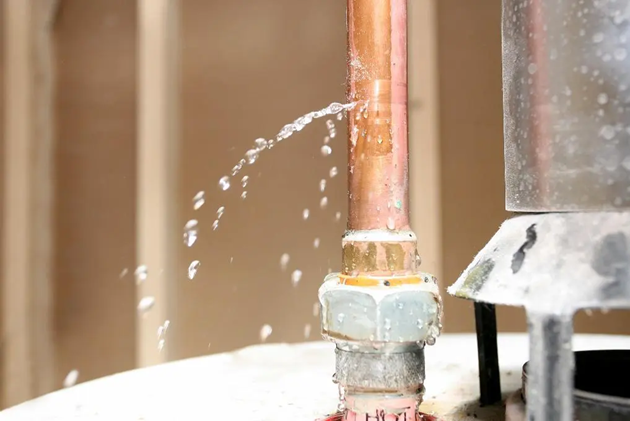
There’s nothing quite like discovering a mysterious puddle in your home to ruin an otherwise perfectly good day. Perhaps you’ve noticed a damp patch beneath the kitchen sink, or maybe there’s an annoying dripping sound that you can’t quite track down. Whatever first catches your attention, a leaking pipe is one of those household problems that’s best dealt with sooner rather than later.
The tricky part is knowing how serious the problem is and what you should do next. Fortunately, a little knowledge can go a long way toward preventing a small leak from becoming an expensive headache.
Look Out for the Early Warning Signs
Not every leaking pipe announces itself with water pouring across the floor. In fact, some leaks can go unnoticed for weeks, particularly when they’re hidden behind walls or underneath flooring. You might notice a musty smell in a particular room, paint beginning to peel, or an unexplained increase in your water bill. Even a small damp patch that keeps returning after you’ve cleaned it could suggest something isn’t quite right. Paying attention to these little clues can help you catch plumbing problems before they cause significant damage.
Know When to Call a Professional
While a loose connection might be relatively straightforward to fix, not every leak is suitable for a DIY repair. If water is coming from inside a wall, the pipe looks corroded, or the same leak keeps returning, it’s worth getting professional help. For homeowners in Idaho, an experienced Meridian plumber can help identify the source of a leak and recommend a suitable repair before the damage spreads.
It’s tempting to put off calling someone when the leak seems minor, especially if you’re worried about the cost. However, repairing damaged flooring, cabinets, or drywall can become considerably more expensive than addressing the plumbing problem early.
Take Action While You’re Waiting for Repairs
If you’ve discovered an active leak, the first priority is preventing further water damage. Locate your home’s main water shutoff valve and turn it off if the leak is significant or can’t be isolated. Next, move any furniture, electrical items, or valuables away from the affected area. Towels and buckets can help contain smaller amounts of water, although they won’t solve the underlying problem. If water has reached electrical outlets or appliances, avoid touching the affected equipment and seek appropriate professional assistance.
Think About What Caused the Leak
Once the immediate problem is under control, it’s worth considering why the pipe started leaking in the first place. Older plumbing can deteriorate over time, but what about newer pipes? Unfortunately, they can still be at risk of excessive water pressure, corrosion, and freezing temperatures, which can damage pipes. Sometimes, a connection simply loosens after years of everyday use. Understanding the cause matters because replacing one damaged section might not be enough if the wider plumbing system has similar weaknesses.
Keep Future Plumbing Problems at Bay
Nobody wants to spend their weekends worrying about leaking pipes, which is why a little preventive maintenance is worthwhile. Checking beneath sinks occasionally, keeping an eye on your water bills, and dealing with unusual plumbing noises can help you spot problems early. It’s also sensible to have aging pipes inspected, particularly if your home has experienced several leaks.
A leaking pipe might seem like a small inconvenience at first, but ignoring it rarely helps. By acting quickly, getting the right help, and looking after your plumbing, you can protect your home and avoid the stress of a much bigger repair bill.