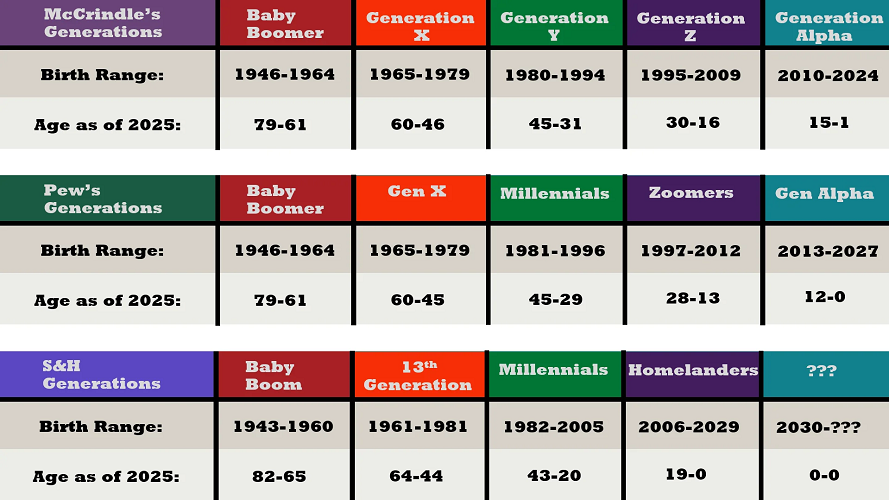
A Generation That Grew Up Between Two Different Worlds. Yeah, these are Millennials.
As always, the Millennial Age Range is one of the most-searched generational queries. Because millions want to know whether they are part of this all-important cohort. Millennials had a distinctive in-between time that holds the end of a pre-digital world to the beginning of an internet-based one.
Growing up with personal computers, then mobile phones, social media, and online shopping. Together, this blend of old and new educational experiences formed their mindset, careers, or lifestyle. Interest in the Millennial Age Range has continued since 2026 among researchers, employers, marketers, and those with questions about generational identity.
The Millennial Age Range is typically from 1981 to 1996. According to this widely accepted definition, millennials will be between 30 and 45 in 2026. These birth years are common, though there may be slight variations across organizations. This generation is between Generation X and Generation Z. Their experiences have blurred the line between traditional and digital adaptation.
Why Birth Years Matter
This is important because it allows researchers to group people who experienced similar social and cultural events, such as those who share the same birth year. People often have common attitudes about education, work, and technology based on their shared experiences.
There were significant technological advances during the millennial years. Their generation experienced significant economic and cultural changes. These are generation-defining experiences.
How Organizations Define Millennials
Institutions sometimes get a little loosey-goosey with the birth-year ranges. Nevertheless, most demographic studies define millennials as those born between 1981 and 1996. This is the definition most often used in research and the media. Consistency helps compare generational trends. It is a widely accepted definition as of 2026.
How the Millennial Age Range Fits Between Other Generations
Millennials are the bridge between Generation X and Generation Z. So, they have the best of both worlds when it comes to understanding traditional and modern life. They recall life before smartphones but are adept at embracing innovation and adapting quickly. Their experiences bridge generational differences. That gives them enormous power in offices and communities.
Millennials and Generation X
Generation X had their childhoods before the internet became widespread. Generation Z, who were born between 1995 and 2010, had many of the same traditional values. They were passed down by their Gen X parents as Millennials, with a strong embrace of emerging technologies. This combination shaped their worldview. Family factors were also the dominant influences during development. Cultural transitions connected both generations.
Millennials and Generation Z
Generation Z was born into a world already saturated with digital technology. Millennials were the last generation to really see technology change gradually, not instantaneously. This divergence affects communication and media consumption habits. A millennial is often the bridge needed to connect and mix generations. Their adaptability remains valuable.
The Historical Events That Shaped the Millennial Age Range
A sense of generational identity usually arises through common historical experiences. All of these are enormous, life-changing events that shaped society as millennials were growing up. Experiences of economic crises, technological progress, and international currents shaped their view of the world.
Education, jobs, and interacting with others were affected by these experiences. While millennials may be the generation in history with more low-wage workers than ever, the flavor of it makes historical sense.
Growth of the Internet
So the internet changed almost everything about daily life for Generation Y. Information was more easily accessible. Online communication expanded rapidly. Digital tools transformed education and business practices. Millennials adapted alongside these developments.
Economic Changes and Challenges
Large-scale economic changes also affected millennials’ professional decisions and financial planning. The housing markets, job prospects, and the cost of education changed drastically. These experiences affected financial decisions. Adaptability became increasingly important. Economic realities shaped generational attitudes.
Millennial Age Range and Technology Adoption
Those experiences for millennials were largely shaped by technology. Millennials had an easier time adapting to digital innovations than older generations. They remember a time before the internet lorem ipsum.
Whereas younger generations have been glued to screens since they were literally babies. It gives us the perspective of having dual. Millennial identity continues to be closely associated with technology.
Transition from Analog to Digital
Millennials suffered through the transition from physical to digital. They saw the abrupt change in everything related to music, communication, and entertainment. They dealt with the classic and the new formats. This transition created unique adaptability. Digital literacy became a distinguishing feature.
The Rise of Smartphones
Smartphones revolutionized communication and productivity. Millennials were born into mobile technology quickly. Daily activities are increasingly moving online. Social interaction has evolved significantly. Mobile devices became essential tools.
Education Trends Within the Millennial Age Range
The way millennials were educated strongly impacted our opportunities and expectations. More millennials got into higher education than ever before. Academic achievement became increasingly emphasized. Educational experiences influenced career development. Learning remained a central priority.
Higher Education Participation
More millennials pursued higher education than previous generations. In competitive job markets, graduates are more suitable. Educational investments used to be quite sizeable commitments. Career opportunities expanded through qualifications. Academic achievement remained influential.
Student Debt Challenges
The financing burden of the telescope segment and, in particular, rising educational expenses affected numerous millennials. Student debt had been a growing financial consideration. Debt was a factor in choosing a career and planning life. Financial responsibility became increasingly important. These challenges shaped economic perspectives.
Workplace Characteristics of the Millennial Age Range
The workplace culture has transformed in response to the changing expectations and priorities of millennials. The virtues of flexibility, collaboration, and technology emerged as workplace norms. Employers adapted to evolving preferences. Professional environments have changed significantly. Millennials influenced modern employment practices.
Preference for Flexibility
Flexible work schedules have started to look more appealing to millennial workers. Remote work opportunities gained popularity. Work-life balance received greater attention. Employers adjusted policies accordingly—flexibility, an expectation in the workplace.
Career Development Priorities
Professionalism is the prime objective of millennials. Professional advancement remains a priority, but is often weighed against personal aspirations. Learning opportunities attract employee interest. Professional fulfillment influences job satisfaction. Development remains a significant consideration.
Millennial Age Range and Social Media Influence
During some of the most pivotal years in their lives, social media took over many millennials. Communication habits and social interaction with platforms also changed; online communities expanded rapidly. Digital networking became common. The Impact of Social Media on Millennial Lifestyles
Early Social Networking Platforms
A lot of millennials had their primer on the initial rise of social networking sites. Well, these platforms opened up new avenues of interaction. Online relationships became increasingly common. Digital communities expanded opportunities. Social interaction has evolved significantly.
Content Creation and Sharing
Millennial-heavy generation in terms of content development. Blogging, video sharing, and social networking became common. Digital expression gained importance. Personal branding became more common. Online participation increased visibility.
Financial Habits of the Millennial Age Range
The way a generation uses its finances is very close to the tracks and challenges of that particular generation. For millennials, financial life often means managing savings, investing, and debt. Economic conditions influenced financial decisions. Then, knowledge changes the banking environment and the investment process. Financial literacy has gained importance.
Saving and Budgeting Trends
Millennials were being forced to add budgeting to their survival kit as they navigated the new world of economic uncertainty. Financial planning enables you to set. Everyone has different saving habits. Technology assists with money management. Responsible planning supports financial stability.
Investment and Wealth Building
Millennials were offered easier access to digital investment platforms. So online financial education became more accessible. Investment strategies evolved with technology. Collectively, you can build long-term wealth. Financial awareness continues growing.
Millennial Age Range and Homeownership
One of the hot topics for millennials is homeownership. Economic conditions influence purchasing decisions. Housing affordability varies by location. Most millennials focus not only on stability but also on long-term investing. Homeownership continues attracting interest.
Changing Housing Preferences
Housing choices today embody more than economic realities; they are an expression of a changed lifestyle. Factors such as location, affordability, and convenience influence decisions. Urban and suburban living both have their benefits. Personal priorities affect choices. Housing is still a big expenditure.
Challenges in the Housing Market
PropHouses now, prices have risen in a lot of areas. Affordability concerns influence purchasing timelines. Market conditions vary significantly. Financial planning remains important. Homeownership requires careful preparation.
Family Life Within the Millennial Age Range
Family structures and priorities are changing among millennials. That is a difference, and couples differ with their spouses about children in the household. Balance and stability are common priorities for the millennial generation. Family decisions mirror shifting social norms. Personal fulfillment remains important.
Parenting Approaches
Millennials combine a more traditional approach with modern products. Technology supports education and communication. Parenting strategies continue evolving. Family engagement remains a priority. Children benefit from diverse opportunities.
Work-Life Balance in Family Settings
Looking at what we want to be doing in terms of profession and managing family. Family involvement and flexibility are essential. Time management is a massive part of it. Personal priorities influence decisions. Balance contributes to overall well-being.
Health and Wellness in the Millennial Age Range
Millennials are more health-conscious than ever before. Physical fitness, Nutrition, Mental well-being. All these receive adequate attention. Lifestyle choices influence long-term outcomes. Preventive care remains valuable. Wellness continues shaping daily habits.
Fitness and Active Living
Exercise and fitness are important for health. Most millennials work in fitness programs and recreation activities. Technology assists with tracking progress. Active lifestyles promote well-being. Health remains a common priority.
Mental Health Awareness
Millennials have been more open about discussing mental health. Awareness encourages support and understanding. Professional resources are increasingly accessible. Quality of life is influenced by emotional wellness. Awareness continues expanding.
What does the millennial age range hold for the future?
As millennials enter adulthood, they are increasingly influential across broader sectors and communities. Leadership roles become increasingly common. The economic and social contributions remain relevant. Their experiences have a lasting effect even on future trends. The Millennial Age Range remains highly effective in 2026.
Leadership and Decision-Making
Many millennials have come to hold positions of leadership in business and public life. Decision-making responsibilities continue expanding. Professional experience contributes to influence. Leadership shapes organizational direction. Impact continues growing.
Long-Term Generational Impact
You are conditioned by anything that touches on a generation. The latest effect of the Millennial generation on technology, culture, and business practices. Their contributions shape future developments. Influence remains visible across industries. Long-term significance continues to increase.
Wrapping Up
The Millennial Age Range in 2026 generally includes individuals born between 1981 and 1996, placing them between 30 and 45 years old. Though paradigm shift has become adapted to modern digital innovation, millennials have witnessed the return of profound change. The impact of everything from the adoption of new technologies to cultural shifts in workplace life, education, family life, and the economy.
The Millennial Age Range and the Motion of Change are all variables to consider and understand. So, what age range is actually representative of Millennials? It helps sustain many aspects as they change culturally and technologically.
Frequently Asked Questions
What is the Millennial Age Range in 2026?
Millennials are generally 30 to 45 years old in 2026.
What birth years are considered millennials?
Most sources define millennials as those born between 1981 and 1996.
Are millennials older than Generation Z?
Yes, millennials come before Generation Z.
What generation comes before millennials?
Generation X comes before the millennial generation.
Why is the Millennial Age Range important?
It helps researchers and businesses understand generational trends.
Did millennials grow up with the internet?
Yes, many millennials witnessed the internet’s rapid growth.
Are millennials active on social media?
Yes, social media became popular during their young adult years.
Do millennials hold leadership roles today?
Yes, many millennials now occupy leadership positions across industries.